


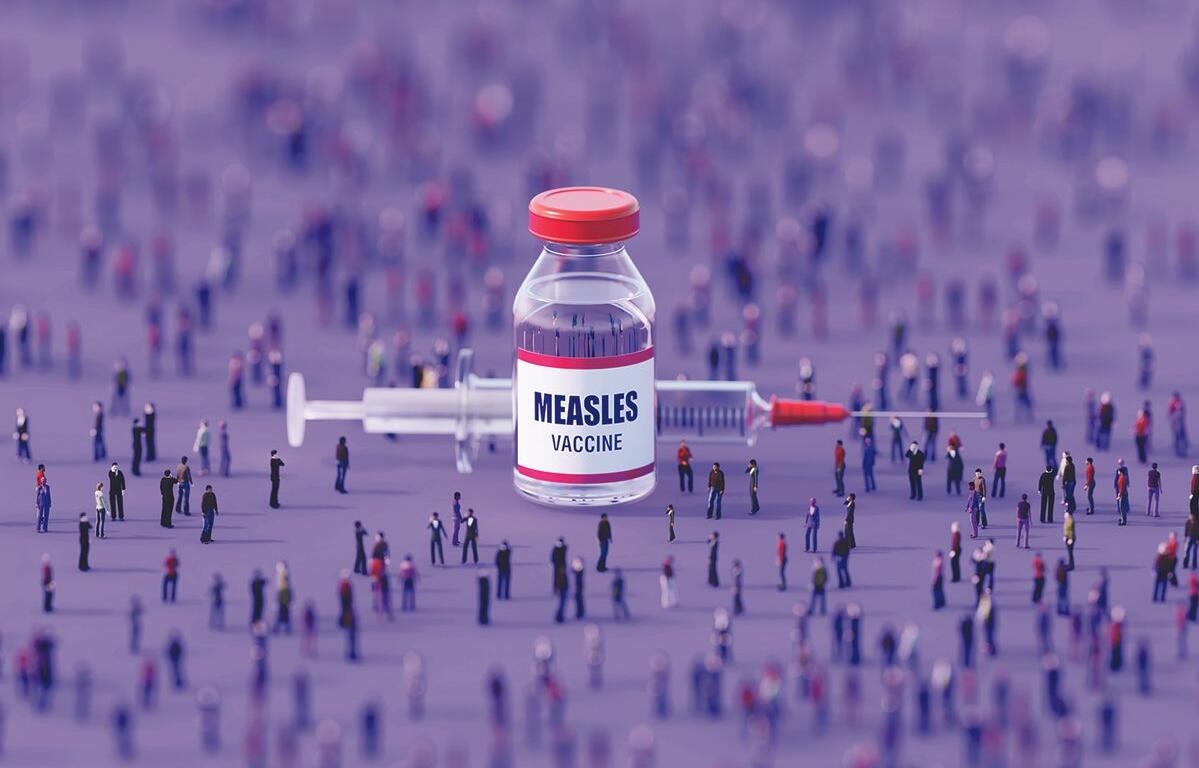

CRAWFORD COUNTY, OH (CRAWFORD COUNTY NOW)—Measles and mumps may sound like diseases from the past, but both can still occur in the United States. Because these illnesses can spread quickly—sometimes before a person realizes they are sick—knowing the symptoms and what to do if you suspect an infection can help protect you, your family, and our community.
Both measles and mumps are caused by viruses and are preventable through vaccination with the MMR (measles, mumps and rubella) vaccine.
Measles: One of the Most Contagious Diseases
Measles is a highly contagious respiratory illness that spreads through the air when an infected person coughs, sneezes, talks, or breathes. Just how contagious is measles? Up to 9 out of 10 people who are not immune will become infected if they have close contact with someone who has measles. The virus can also remain infectious in the air for up to two hours after an infected person has left the area.
Symptoms of Measles
Symptoms generally begin 7–15 days after exposure and commonly include:
- High fever, which may rise above 104°F
- Cough
- Runny nose
- Red, watery eyes
- Small white spots inside the mouth, known as Koplik spots
- A red, blotchy rash that typically begins on the face/hairline and spreads downward over the body
The rash usually appears several days after the first symptoms begin.
When Is Someone With Measles Contagious?
A person with measles can spread the virus from four days before the rash appears through four days after the rash begins. This is especially concerning because someone may be contagious before realizing that their illness is measles.
Measles Can Be Serious
Measles isn’t simply a rash. Complications can include:
- Ear infections
- Severe diarrhea and dehydration
- Pneumonia
- Encephalitis (swelling of the brain)
- Hospitalization
- Death
Children younger than age 5, adults over age 20, pregnant individuals, and people with weakened immune systems may have a greater risk of complications.
A Brief History of Measles in the United States
Before the measles vaccine became available in 1963, nearly every child contracted measles by age 15. An estimated 3–4 million Americans were infected each year, with approximately 500,000 cases officially reported annually. Hundreds of deaths occurred each year. Vaccination dramatically changed that picture. Measles was declared eliminated from the United States in 2000, meaning continuous transmission within the country had been stopped for at least 12 months. However, elimination does not mean that measles disappeared completely. Cases were brought into the United States by travelers and spread in communities where vaccination coverage is lower.
Mumps: More Than Swollen Cheeks
Mumps is another contagious viral illness. It spreads primarily through saliva and respiratory droplets, including when an infected person coughs, sneezes, talks, shares cups or water bottles, or participates in close-contact activities.
Mumps is less contagious than measles, but outbreaks can spread quickly among people who spend significant amounts of time in close contact, such as in households, schools, colleges, sports teams and other group settings.
Symptoms of Mumps
The symptom most associated with mumps is puffy cheeks and a swollen, tender jaw, caused by swelling of the salivary glands below the ears.
Other symptoms may include:
- Fever
- Headache
- Muscle aches
- Fatigue
- Loss of appetite
- Swollen or tender salivary glands
Symptoms typically develop about 16–18 days after infection, although they can appear anywhere from 12–25 days after exposure. Some people have very mild symptoms or no noticeable symptoms at all.
When Is Someone With Mumps Contagious?
A person with mumps is generally considered contagious from two days before through five days after salivary gland swelling begins. Anyone with suspected mumps should avoid close contact with others and stay home from work, school and social activities for five days after swelling begins, unless otherwise directed by a healthcare provider or public health official.
Mumps Can Cause Complications
Although many people recover completely, mumps can sometimes cause serious complications, particularly in adults. Complications can include inflammation of the:
- Testicles (orchitis)
- Ovaries or breast tissue
- Pancreas
- Brain (encephalitis)
- Tissue surrounding the brain and spinal cord (meningitis)
Mumps can also cause temporary or, rarely, permanent hearing loss.
A Brief History of Mumps in the United States
Before vaccination, mumps was a common childhood disease. Before the U.S. vaccination program began in 1967, the CDC estimates approximately 186,000 cases were reported annually before vaccine introduction. Vaccination led to a dramatic decline. Since the U.S. mumps vaccination program began, cases have decreased by more than 99%.
Think You Have Measles or Mumps? CALL FIRST.
If you or a family member develops symptoms consistent with measles or mumps—especially following a known exposure or recent travel—do not simply walk into a doctor’s office, urgent care, emergency department, or other healthcare facility without notifying them first.
Instead:
- Stay home and limit contact with other people.
- Call your healthcare provider immediately and describe your symptoms and any possible exposure.
- Tell the provider that you are concerned about measles or mumps before arriving. This allows the healthcare facility to make arrangements that reduce the risk of exposing other patients and staff.
- Avoid school, work, childcare, public gatherings and other settings where you could expose others.
- Follow instructions from your healthcare provider and public health officials regarding testing and isolation.
This is particularly important with measles because the virus can remain infectious in the air for up to two hours after an infected person leaves a room. If symptoms become severe or you are experiencing a medical emergency, seek emergency medical care. If possible, have someone call the emergency department before you arrive and explain that measles or mumps is suspected.
Prevention Starts With Vaccination
The MMR vaccine is the best protection against measles and mumps. Children routinely receive two doses of MMR vaccine. Adults should also make sure they have appropriate evidence of immunity based on their age, vaccination history, health conditions, occupation, travel plans and other risk factors.
In addition to vaccination:
- Wash your hands frequently.
- Cover coughs and sneezes.
- Avoid sharing cups, utensils, drinks and other items that may contain saliva.
- Stay home when you are sick.
- Avoid close contact with someone who has suspected or confirmed measles or mumps.
- Before international travel, check your family’s vaccination records and discuss any needed vaccines with your healthcare provider.
Even vaccinated people can occasionally develop mumps, particularly during outbreaks involving prolonged close contact. But vaccinated individuals are at much lower risk of developing mumps and its complications.
Protect Yourself. Protect Your Family. Protect Crawford County.
Vaccination has made measles and mumps far less common than they once were, but these diseases have not disappeared. Recognizing symptoms, staying home when illness is suspected, calling ahead before seeking medical care, and keeping vaccinations up to date are important steps we can all take to prevent these diseases from spreading. If you are unsure whether you or your child is up to date on the MMR vaccine, contact your healthcare provider or Crawford County Public Health for guidance.
Crawford County Public Health, 1520 Isaac Beal Rd., Bucyrus, Ohio (419)562-5871
Learn More
For additional information, visit the CDC’s resources on Measles (Rubeola) and Mumps.