



By Andrew Walsh
awalsh@wbcowqel.com
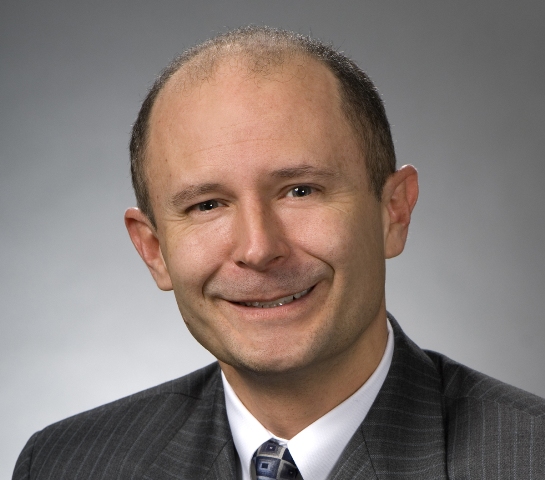
The Republican senator of Ohio’s 26th District visited the City of Galion prior to the Tuesday City Council meeting. The Ohio General Assembly is currently in a recess and David Burke is using the time make rounds in the district. Or, as he put it, “A bad day in the district beats a good day in Columbus.”
 Burke gave an update on what was happening at the state level, and he believes things are moving in the right direction. Unemployment has been halved, and Ohio has greatly improved its rainy day fund. He also highlighted the new drug court, of which Crawford County will be one of the founding members.
Citing his work with Judge Sean Leuthold on this effort, Burke gave an overview of what this entails. This is an effort to engage with people who have drug offenses and to try and get them the treatment they need, as opposed to sending them back to prison. Offenders, should they choose to participate, could be met at their first offense or when they are released from a prison or jail term. The goal is to get them they help they need, rather than continuously returning them to incarceration. This could mean enforced treatment, the failure of which would result in traditional punishment.
“It’s in the state’s best interest to keep them out of prison,” Burke said.
Galion Mayor Tom O’Leary cited another problem that is a major cog in the drug wheel: food stamp fraud. A problem he feels has been “ducked.” Burke countered that he understood this problem, but administrative change is difficult because this is a federally administered program.
Other questions were about locally allocated funds. The structure of how these funds are distributed has been altered significantly by recent state budgets. The mayor was critical of these budgets, and when Burke spoke about sharing of those funds from the state, O’Leary was also critical.
Burke spoke of sharing state money, but O’Leary countered that the money that had been pulled away had always been local money. His point was that some of these local sales tax monies that were removed have always belonged at the local level, and to suggest that the state could “share” them back was missing the point.
Burke countered that they have returned monies to the tax payers, which allows them to approve levies at the local level.
After the discussions Burke thanked everyone for their time and questions and stated, “I think we are in a better position than we were four years ago.”