



By Kimberly Gasuras
Bucyrus firefighters answered a call last week for a family that was concerned that several household members were suffering from the effects of carbon monoxide poisoning.
Fortunately, that was not the case.
“They have a gas furnace and smelled something funny. Carbon monoxide is odorless,” acting fire chief Chad Schwemley said. “One member of the household was taken to the hospital, but they were not suffering from carbon monoxide. We used our devices to check the house for carbon monoxide but there was no reading for it.”
Schwemley said the family did not have a carbon monoxide detector in the home.
Carbon monoxide, is the leading cause of accidental poisoning in the United States, is responsible for more deaths than any other poison.
Schwemley said oil, propane, and natural gas fired heating systems, gas appliances and fireplaces all release carbon monoxide as they burn and there are several ways for carbon monoxide to enter people’s homes.
“You can get carbon monoxide from a vehicle running in a closed garage, from a furnace not burning correctly, any gas-powered appliance, basically from anything combustible,” Schwemley said.
Schwemley said ventless heaters also could emit carbon monoxide.
“They can burn up the oxygen in the room, especially if they are used in a tightly sealed space,” Schwemley said. “People need to follow the manufacturer’s instructions.”
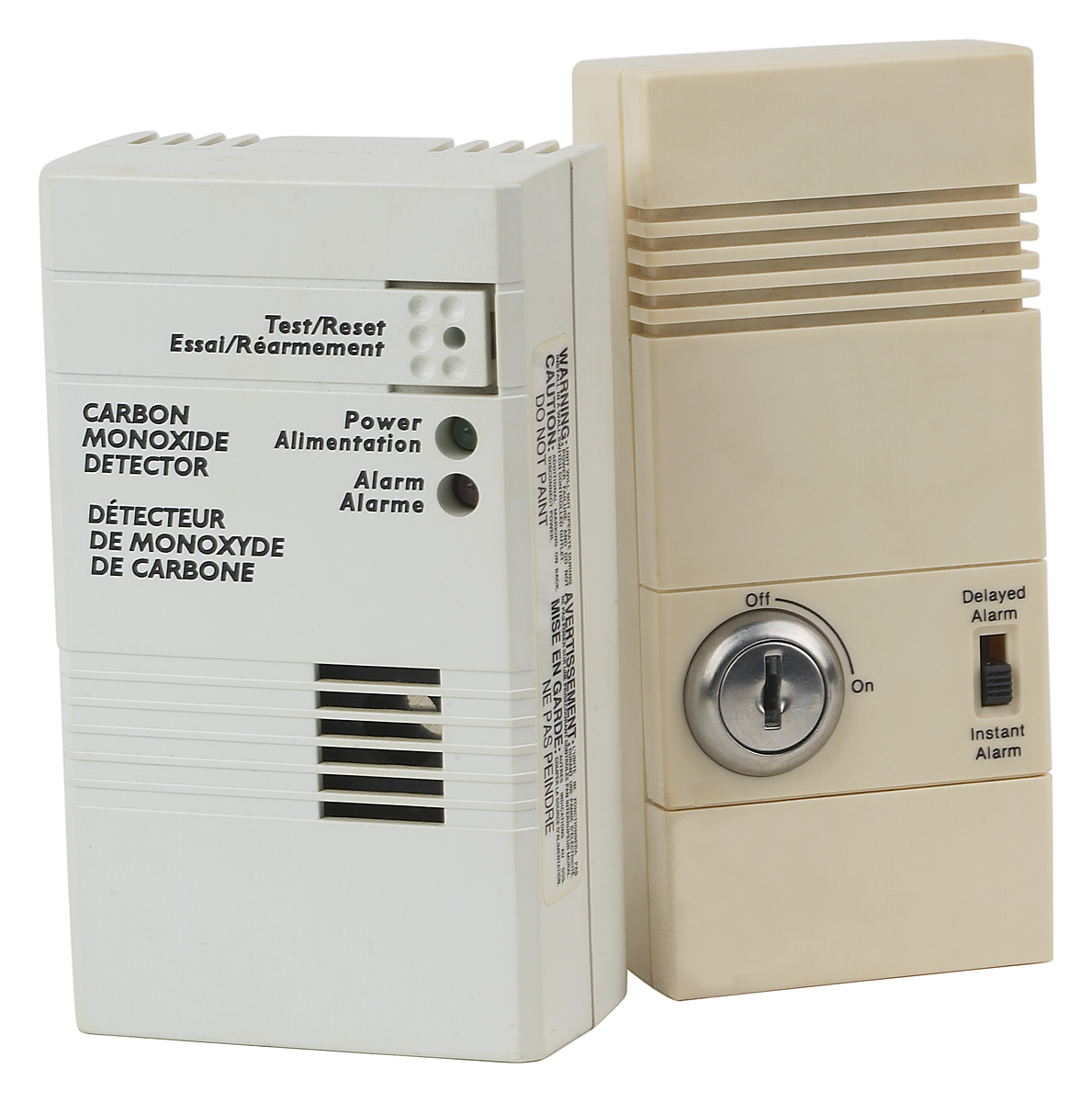
Schwemley said residents with any appliance or heating source that puts off carbon monoxide should have a carbon monoxide detector in the home.
“Carbon monoxide detectors are set to go off at safe levels, so people should read the instructions that come with it,” Schwemley said. “We get a lot of calls during the winter months from residents after their detector goes off and we check the home to determine what the levels are.”
Schwemley said when a detector goes off, residents should leave the home and call the fire department.
“We do not want the residence ventilated because then we cannot determine if the level of carbon monoxide was unsafe or not and determine if there is a problem,” Schwemley said.
He said that carbon monoxide detectors cost a little more than smoke detectors.
“They are not that expensive and can save your life,” Schwemley said.