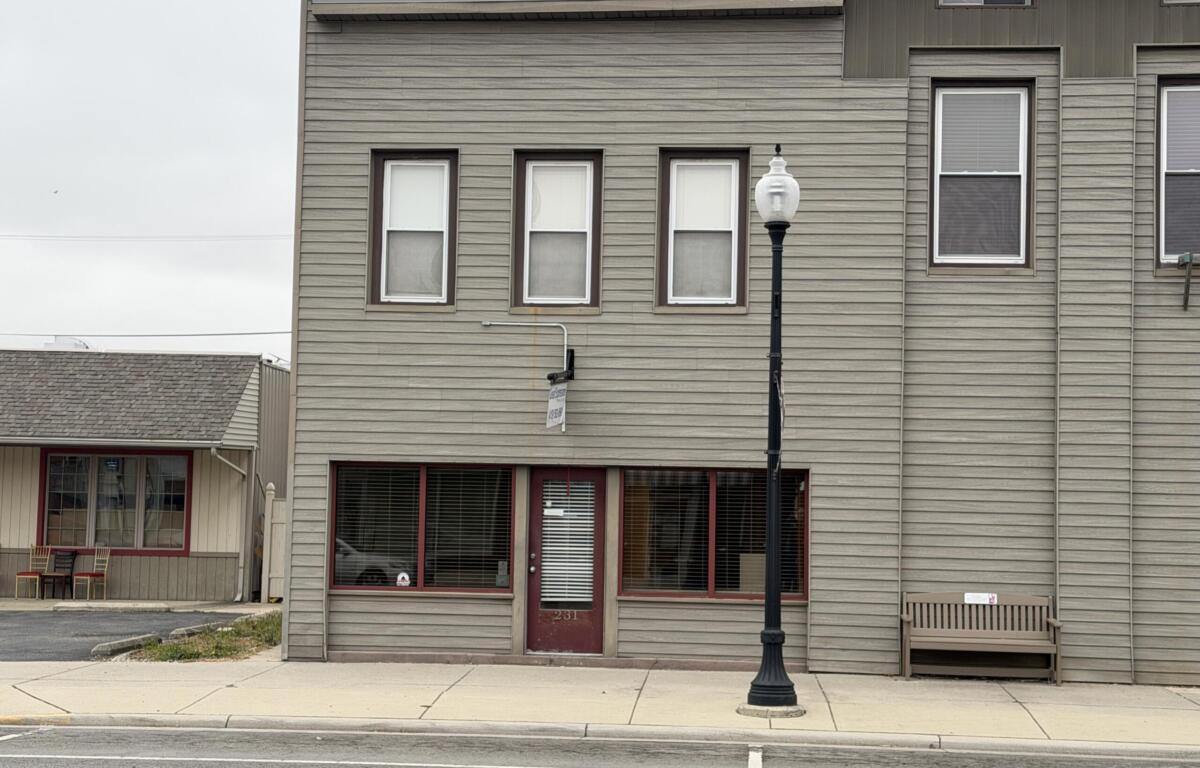

BUCYRUS, OH (CRAWFORD COUNTY NOW)—If the walls of 231 S. Sandusky Avenue could talk, they would have more than a century of stories to tell.
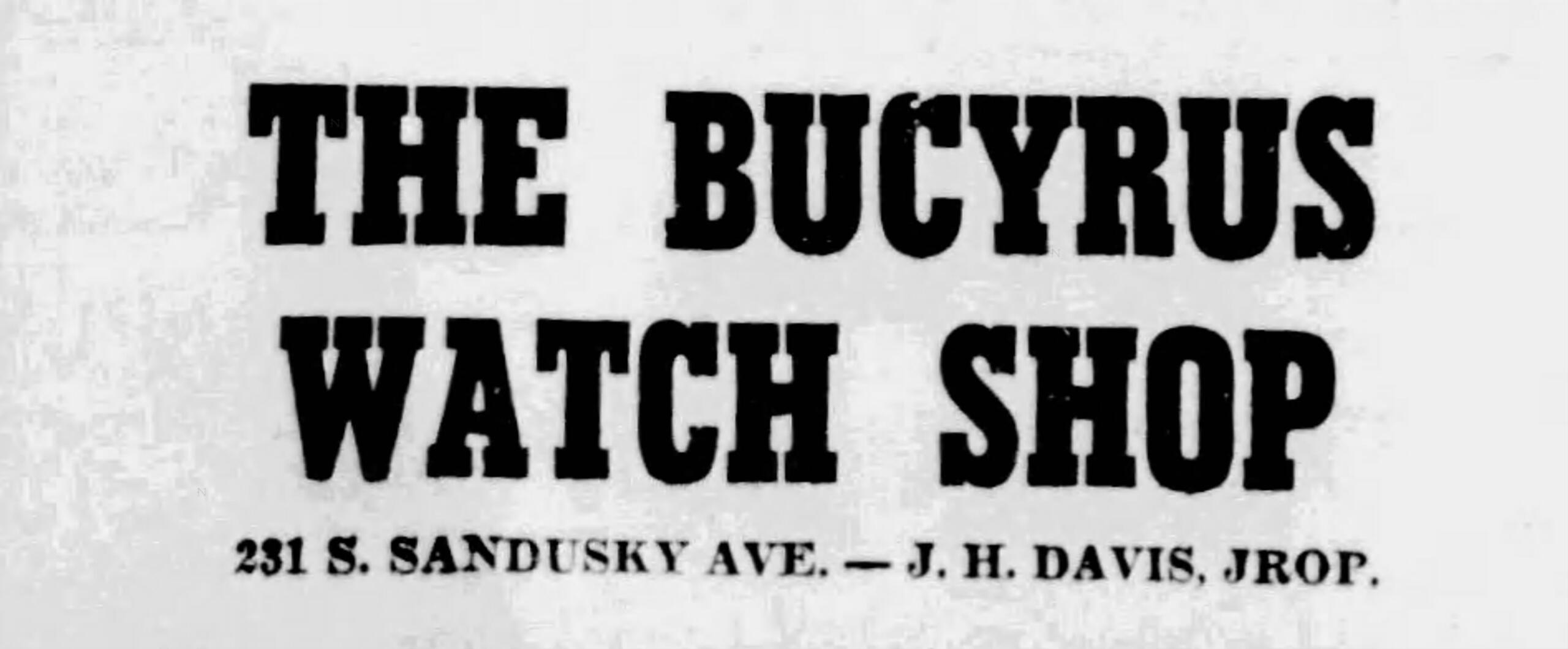
From a women’s social club and piano showroom to utility offices, clothing stores and dental practices, this downtown Bucyrus address has been home to an impressive variety of businesses and organizations. Its history offers a glimpse into the changing needs, interests and everyday lives of the community.
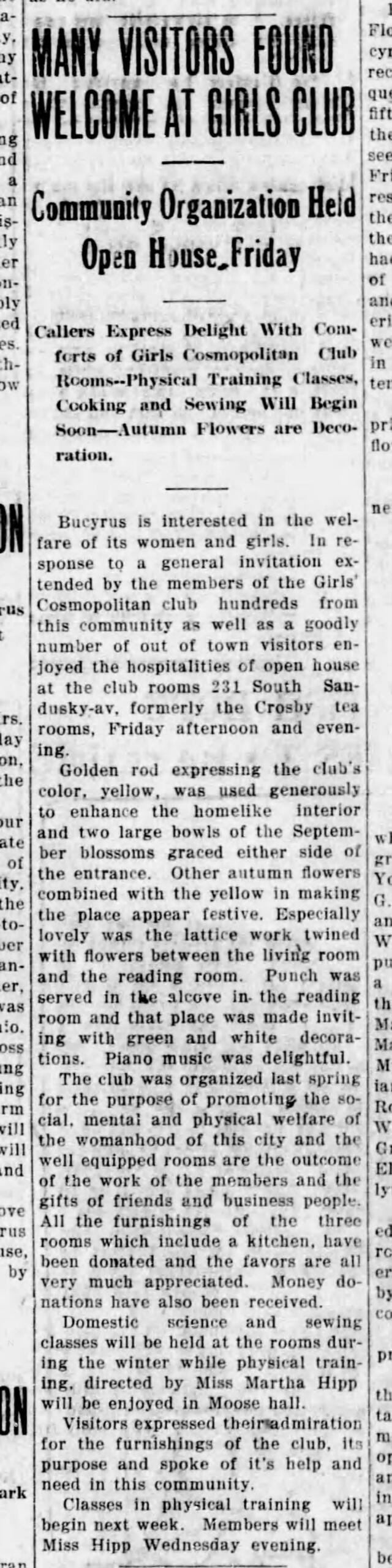
In 1916, the address was home to the Girls’ Cosmopolitan Club, an organization dedicated to promoting the social, mental and physical well-being of Bucyrus women and girls. The club welcomed hundreds of visitors during an open house that September. Previously occupied by the Crosby tea rooms, the space included a kitchen, living room and reading room, furnished through donations from local businesses and residents. The club offered cooking, sewing, domestic science and physical training classes. Decorated with autumn flowers and filled with piano music, the rooms provided a welcoming place for women to gather, learn and socialize.
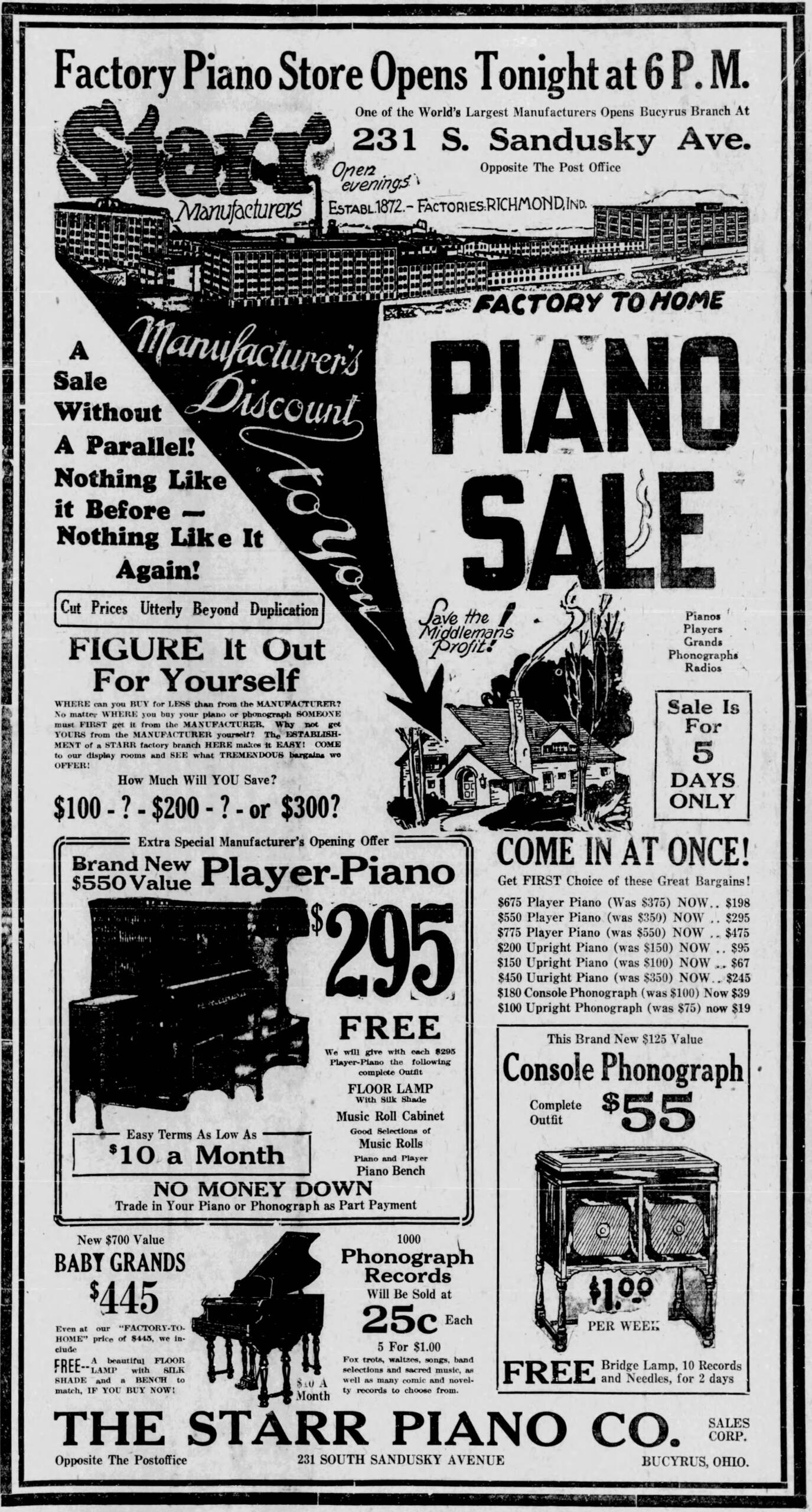
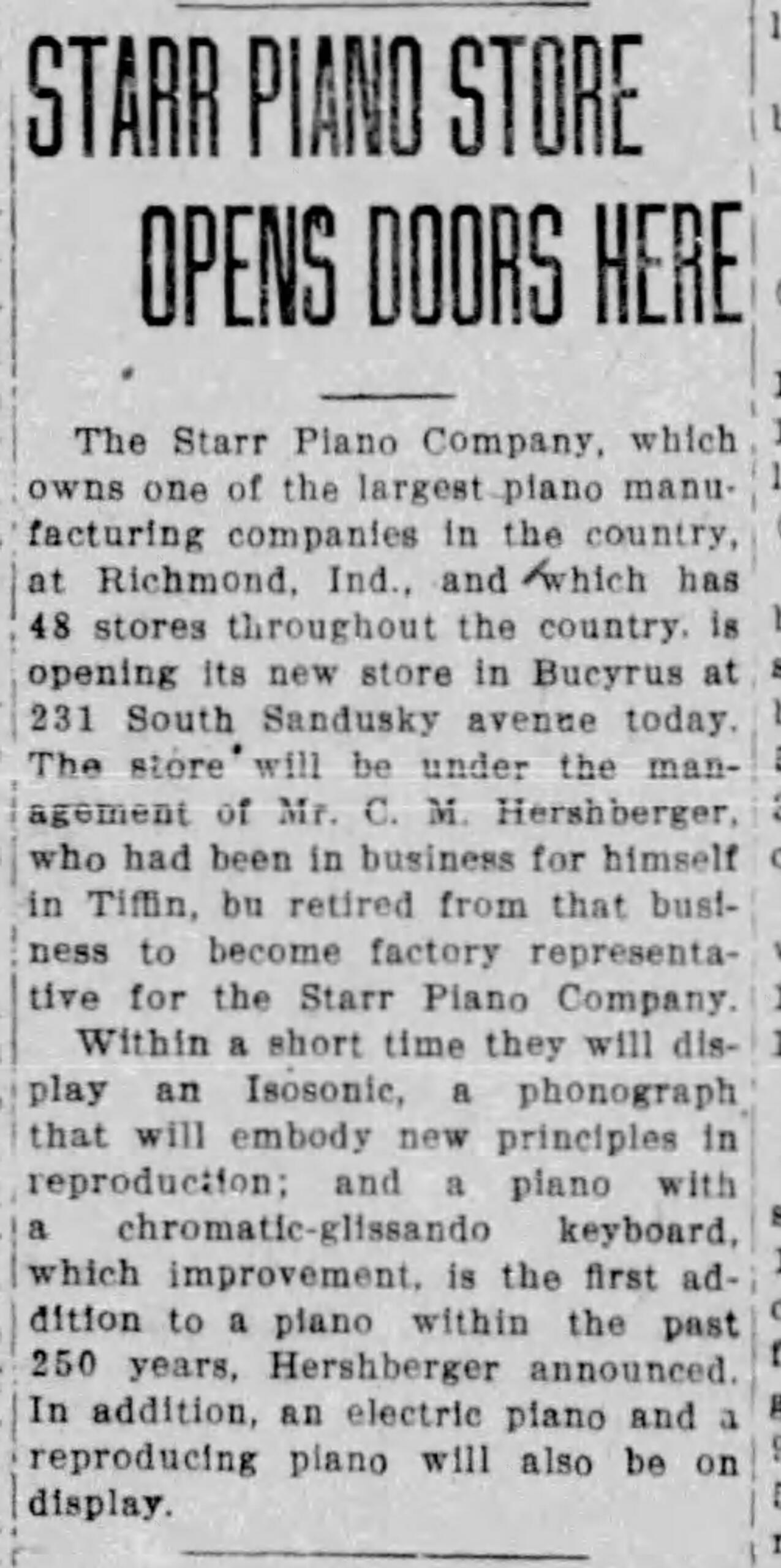
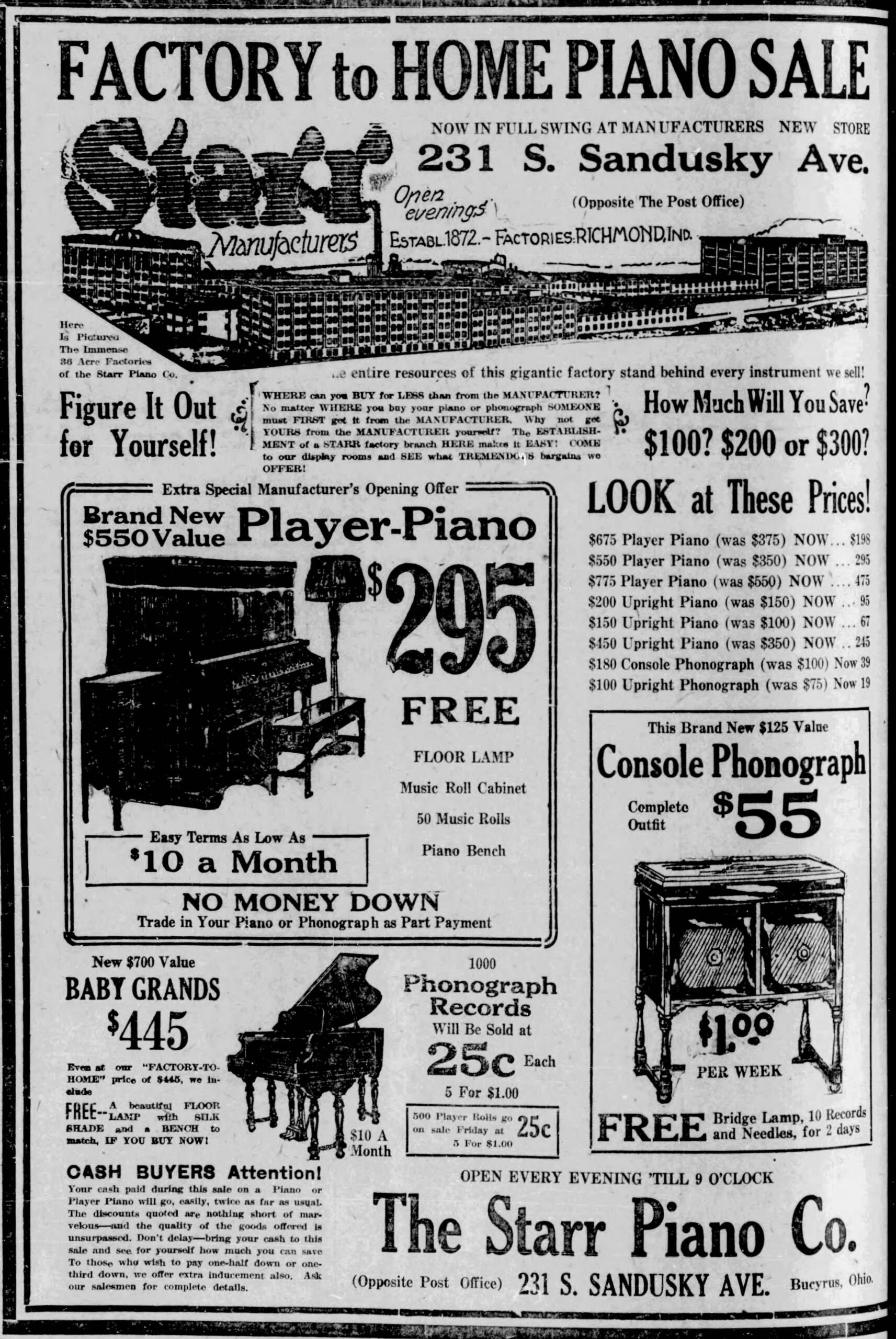
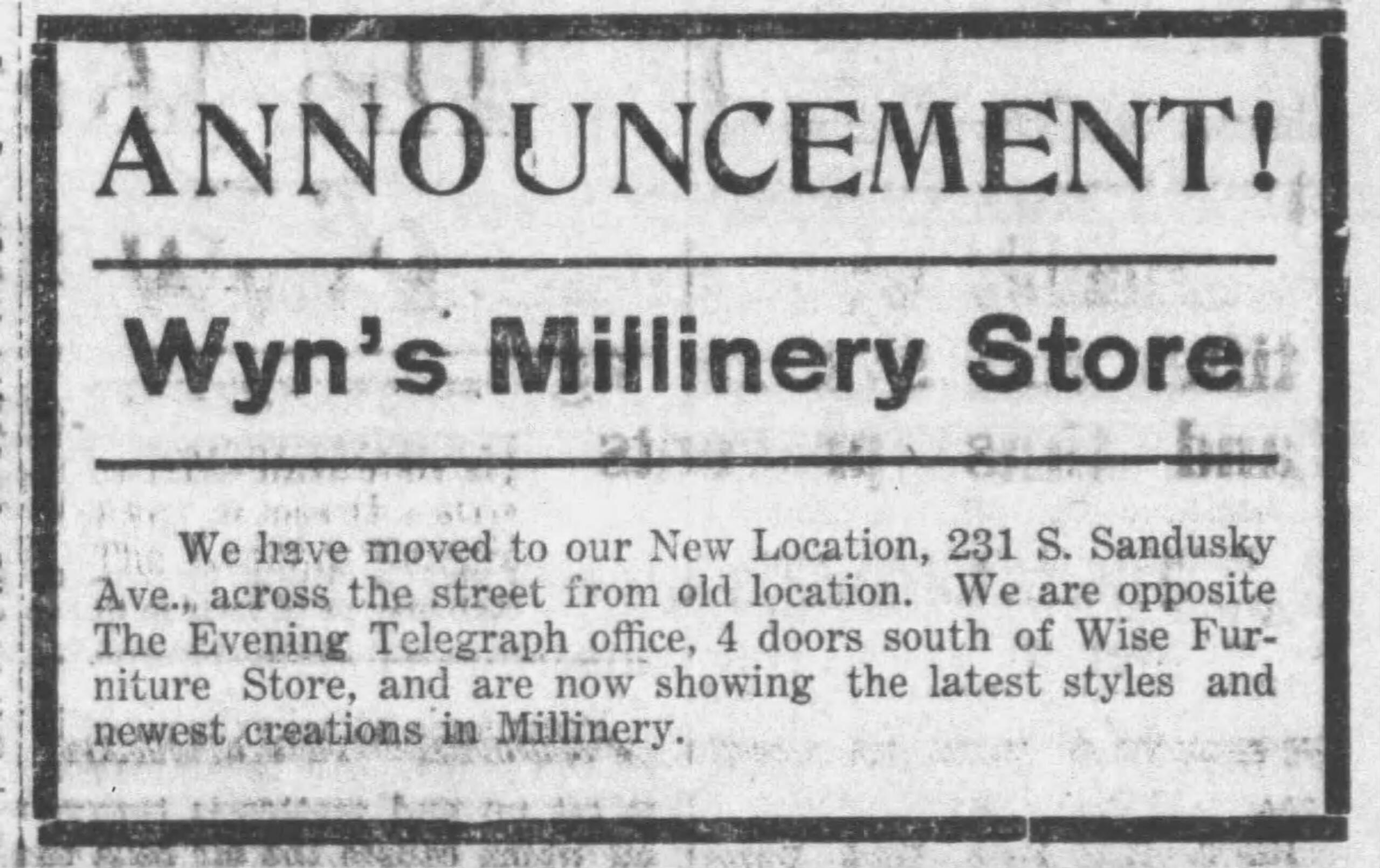
Around 1920, Wyn’s Millinery Store announced its move to the address, bringing the latest styles in women’s hats to downtown shoppers. By September 1927, the Starr Piano Company had opened a new Bucyrus location in the building. Headquartered in Richmond, Indiana, the company operated 48 stores nationwide and was among the country’s major piano manufacturers. Managed locally by C. M. Hershberger, the store offered pianos, phonographs and records. Its grand opening featured a factory-to-home sale, including a player piano advertised as a $550 value for just $295, with payments as low as $10 per month and no money down. Baby grand pianos were advertised for $445, while phonograph records sold for 25 cents each.
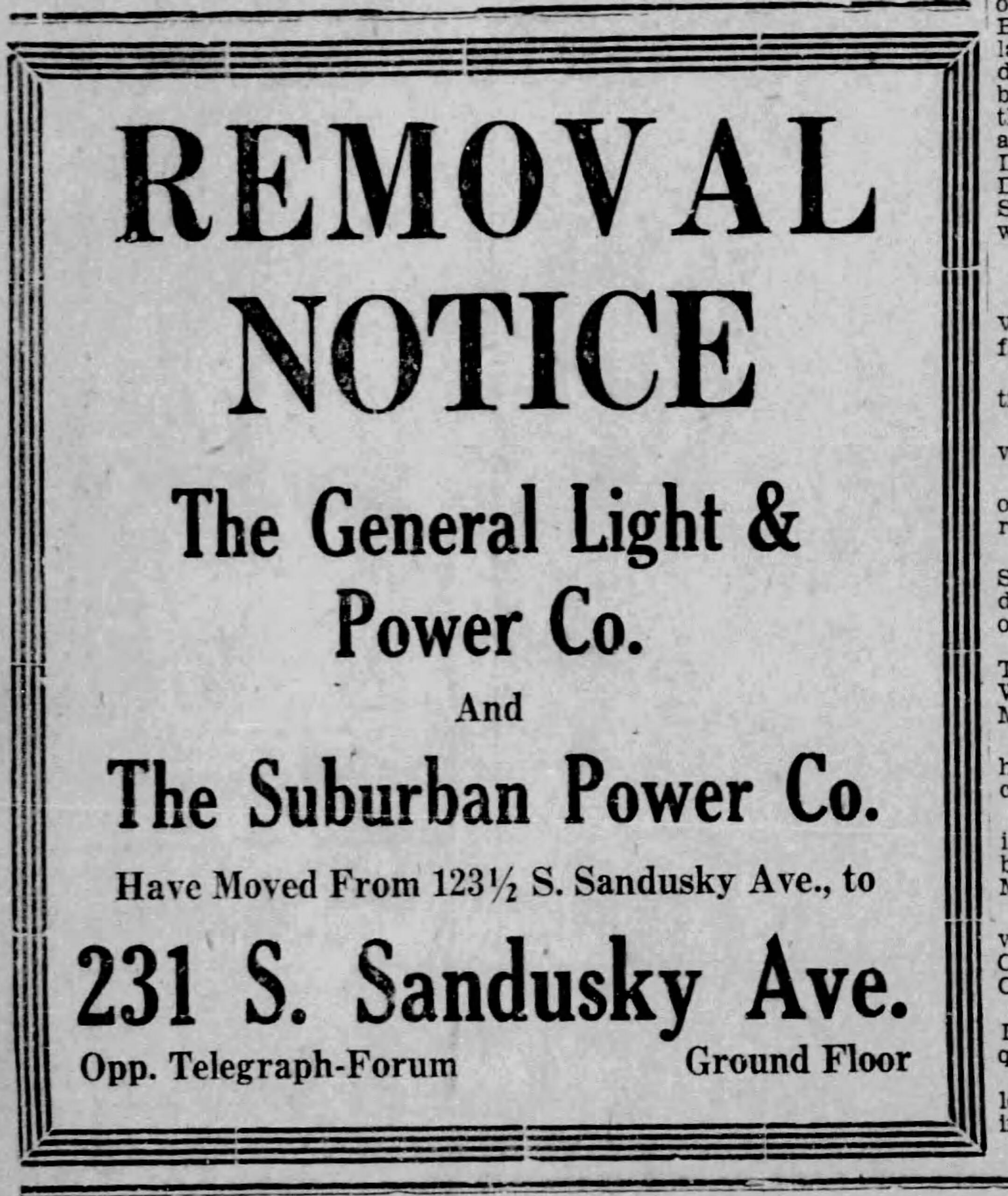
In February 1928, the General Light & Power Company and Suburban Power Company relocated their offices to the ground floor of 231 S. Sandusky Avenue. The companies moved from their previous location at 123½ S. Sandusky Avenue, adding another chapter to the building’s growing commercial history.
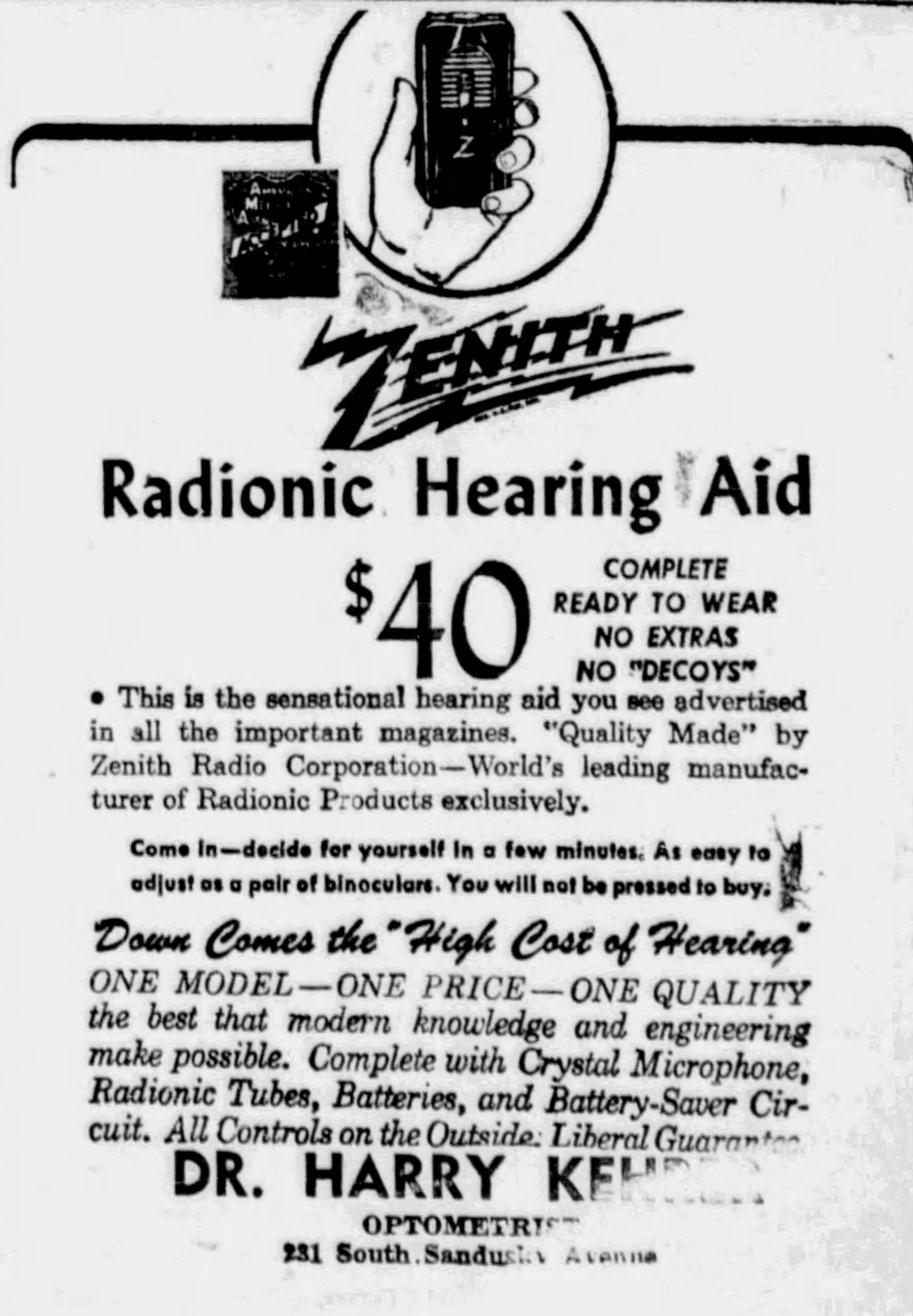
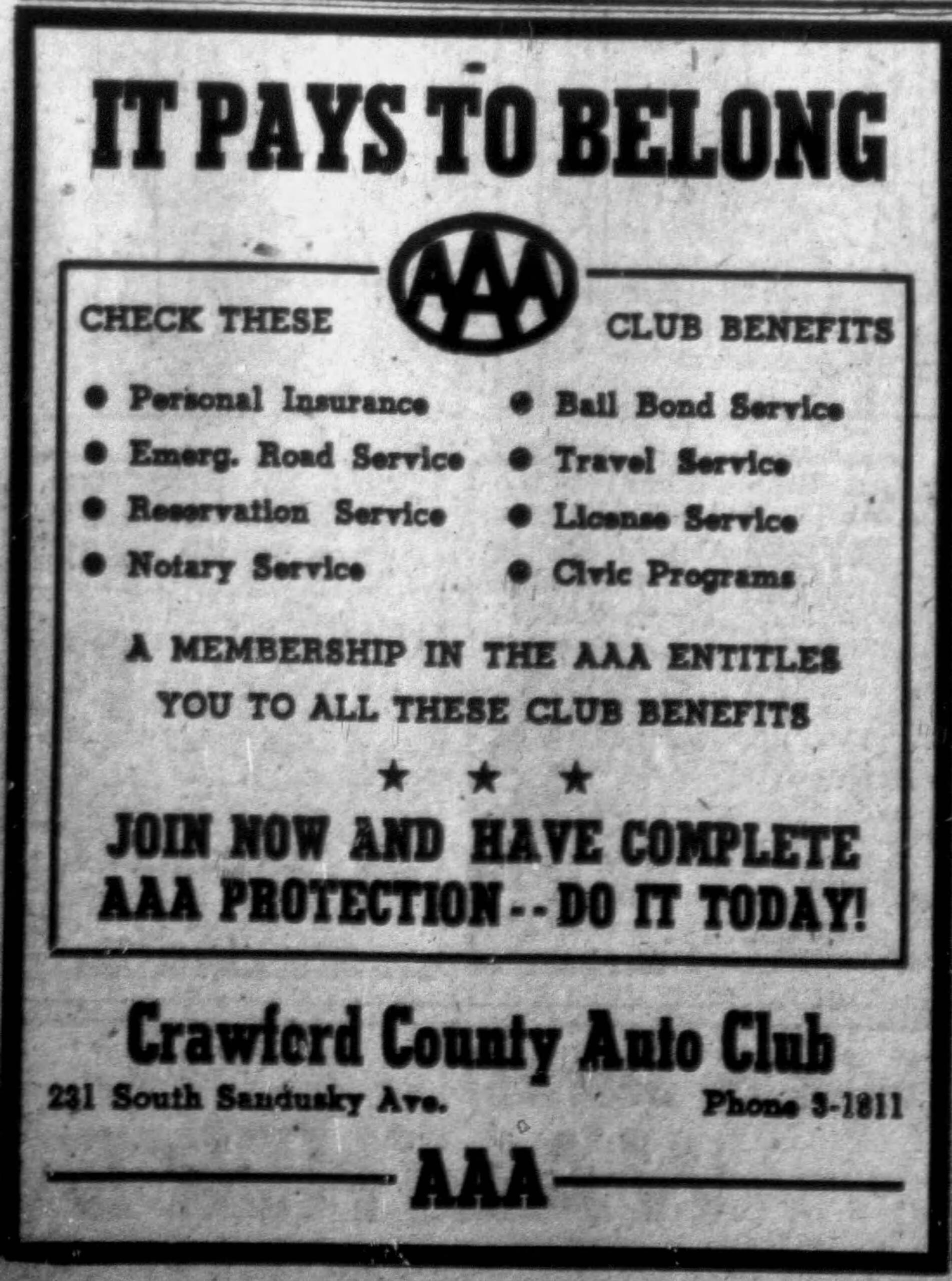
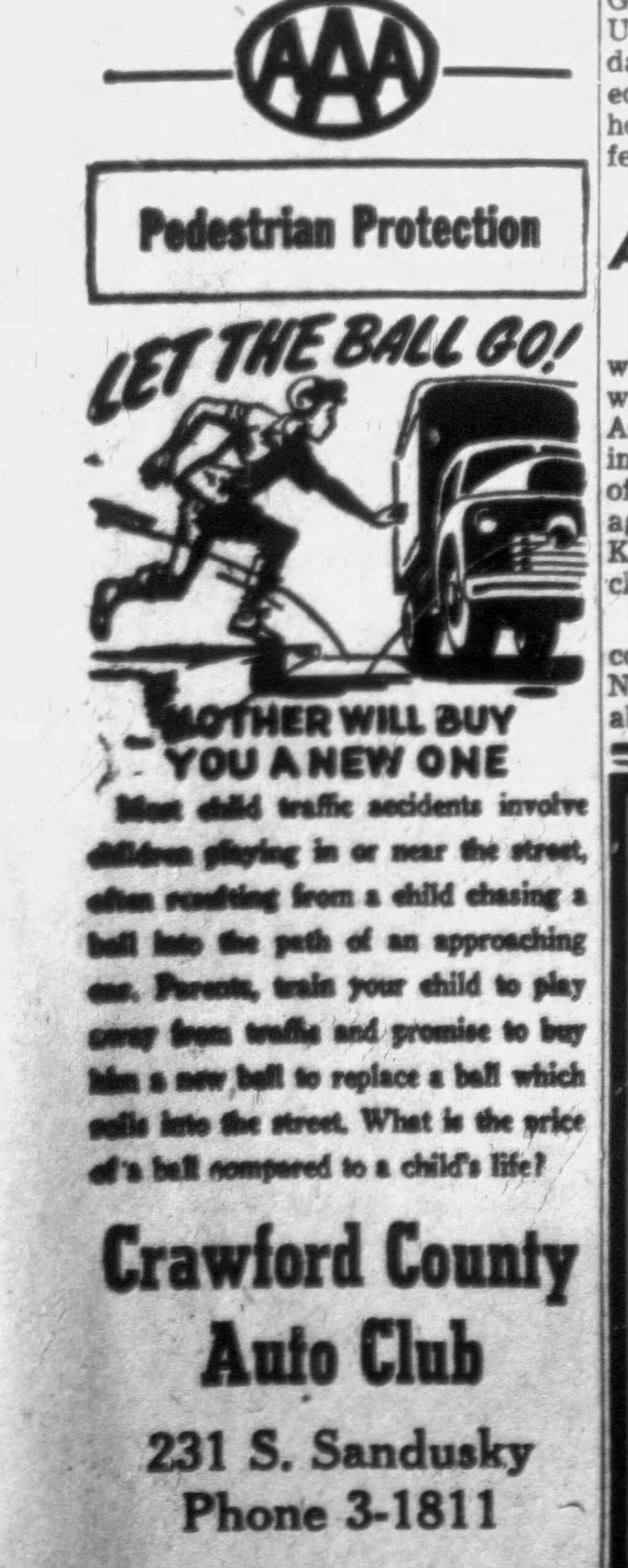
During the 1940s, Dr. Harry Kehrer, an optometrist, operated from the address. His advertisements promoted Zenith Radionic hearing aids, including a $40 model in 1944 and Father’s Day specials featuring hearing aids priced at $40 and $50 in 1945. The Crawford County Auto Club, affiliated with AAA, also called the address home in the following years, offering emergency road assistance, travel planning, insurance, license assistance and community safety programs.
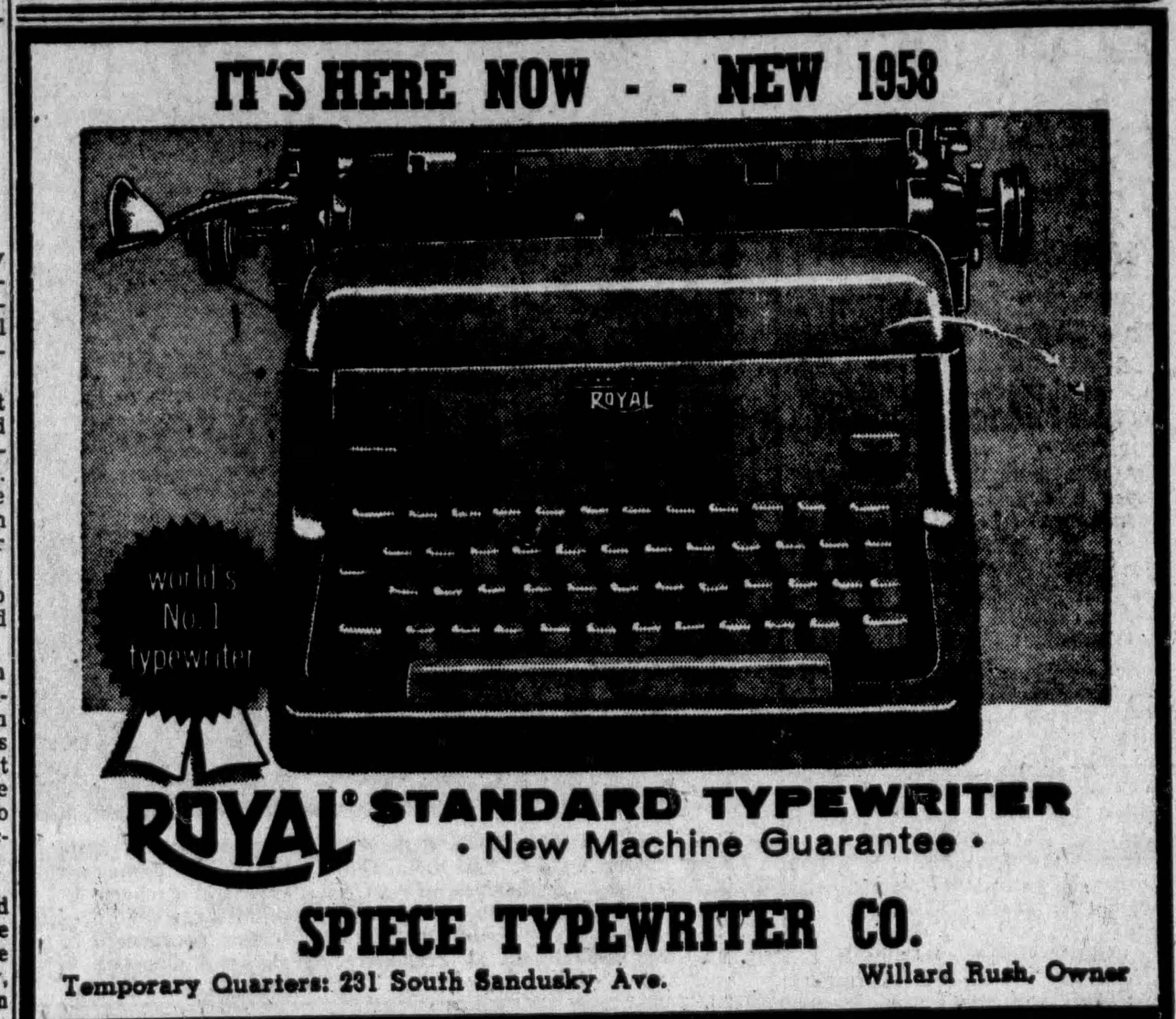
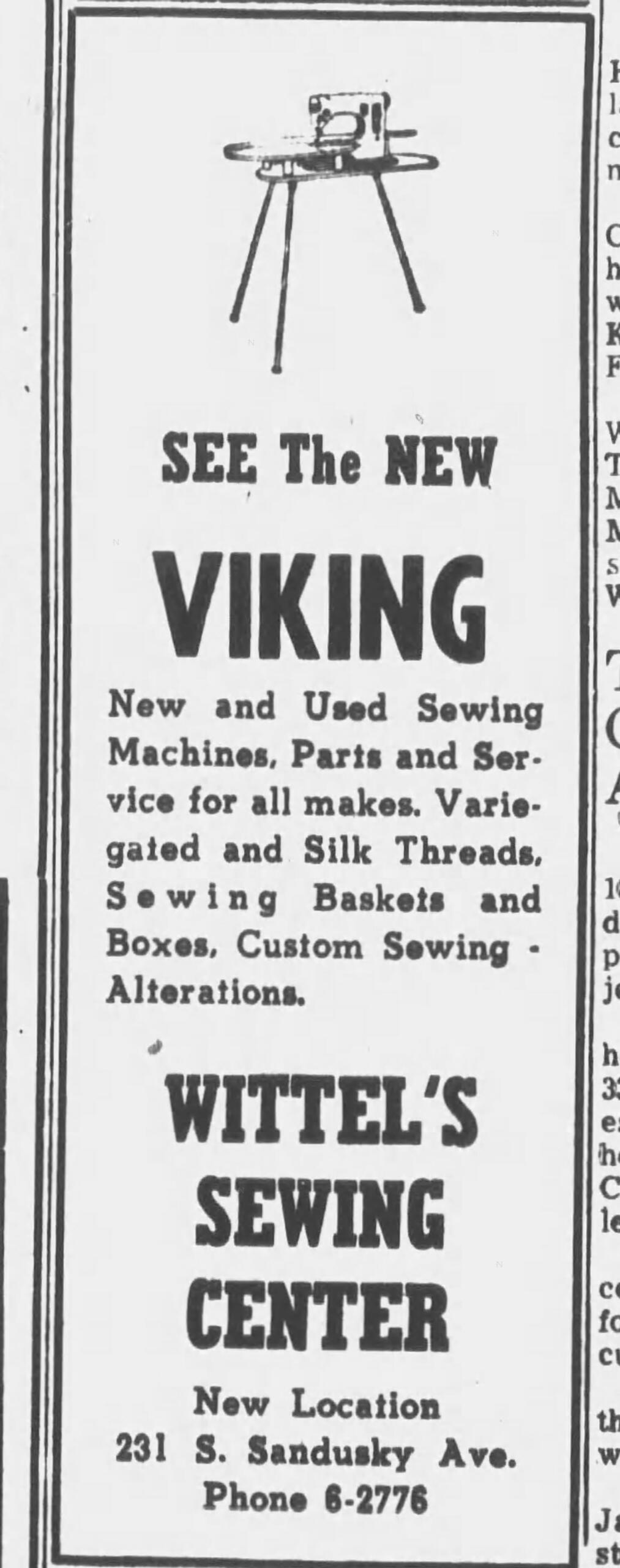
By May 1958, Spiece Typewriter Company was operating from temporary quarters at 231 S. Sandusky Avenue. Owned by Willard Rush, the business promoted Royal Standard Typewriters, including the newest 1958 model. Just a year later, Wittel’s Sewing Center announced its move to the address, offering new and used Viking sewing machines, supplies, repairs, custom sewing and alterations.
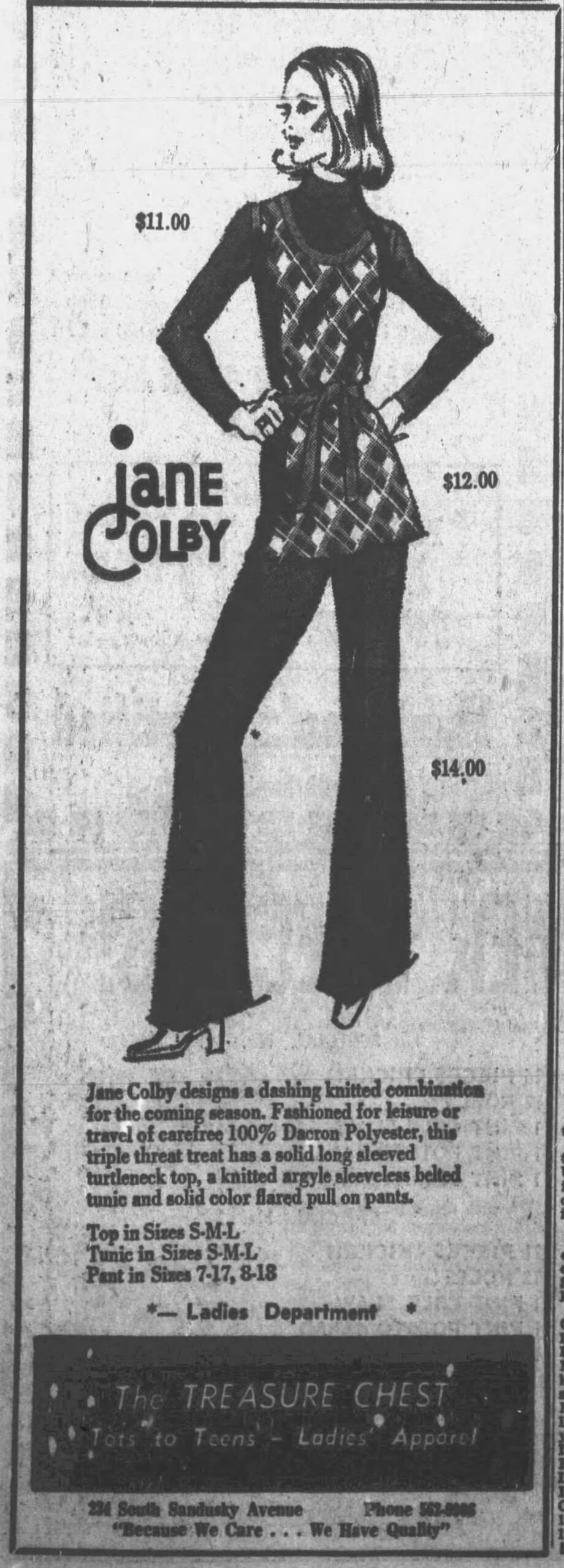
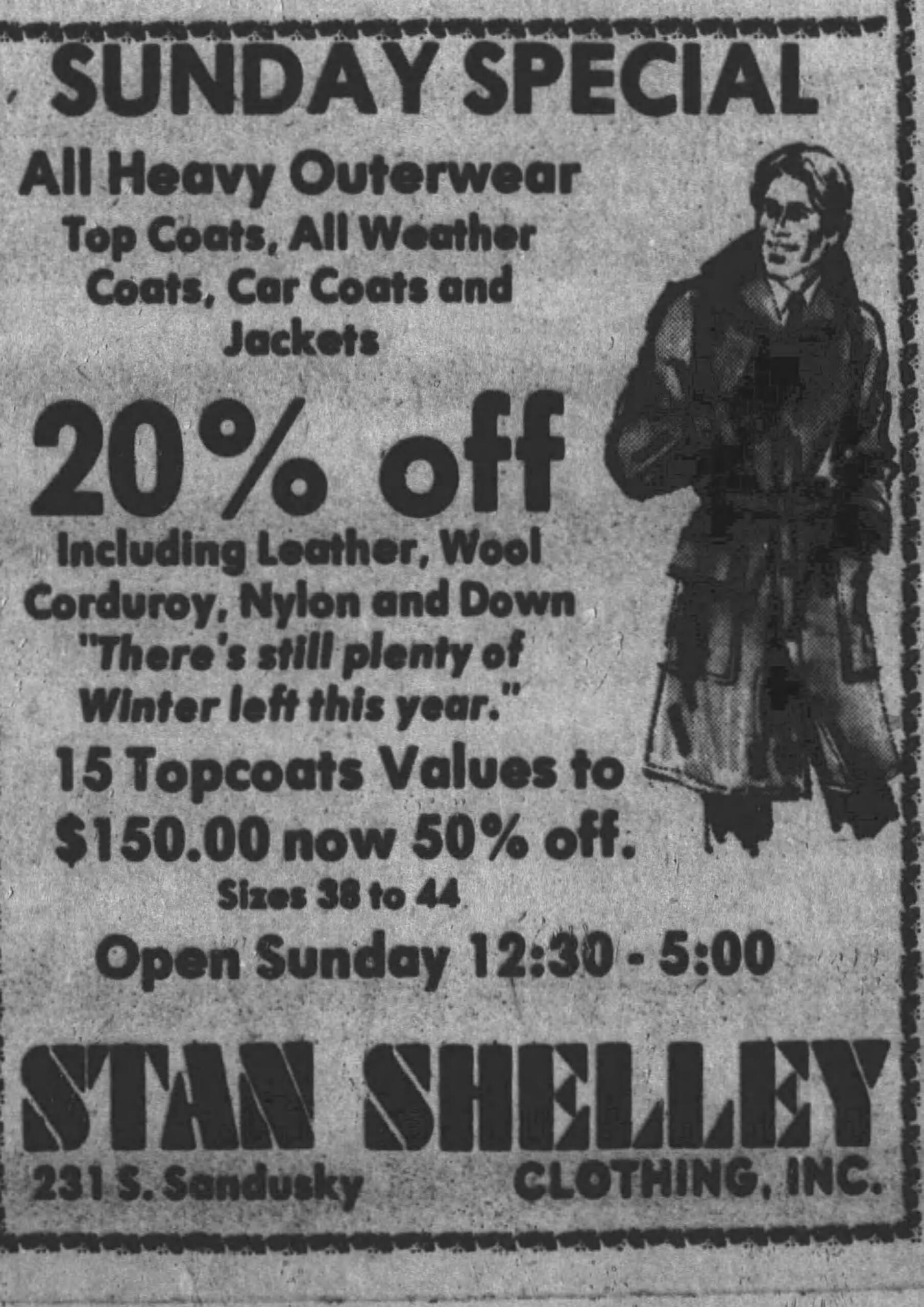
The 1970s brought another change as the address became associated with downtown fashion retail. In September 1972, The Treasure Chest advertised women’s clothing, including Jane Colby knitwear, tunics and flared pants. By December 1979, Stan Shelley Clothing, Inc. was advertising winter coats, jackets and outerwear, with discounts ranging from 20 to 50 percent. These businesses reflected a time when downtown Bucyrus offered a wide selection of locally operated specialty stores.
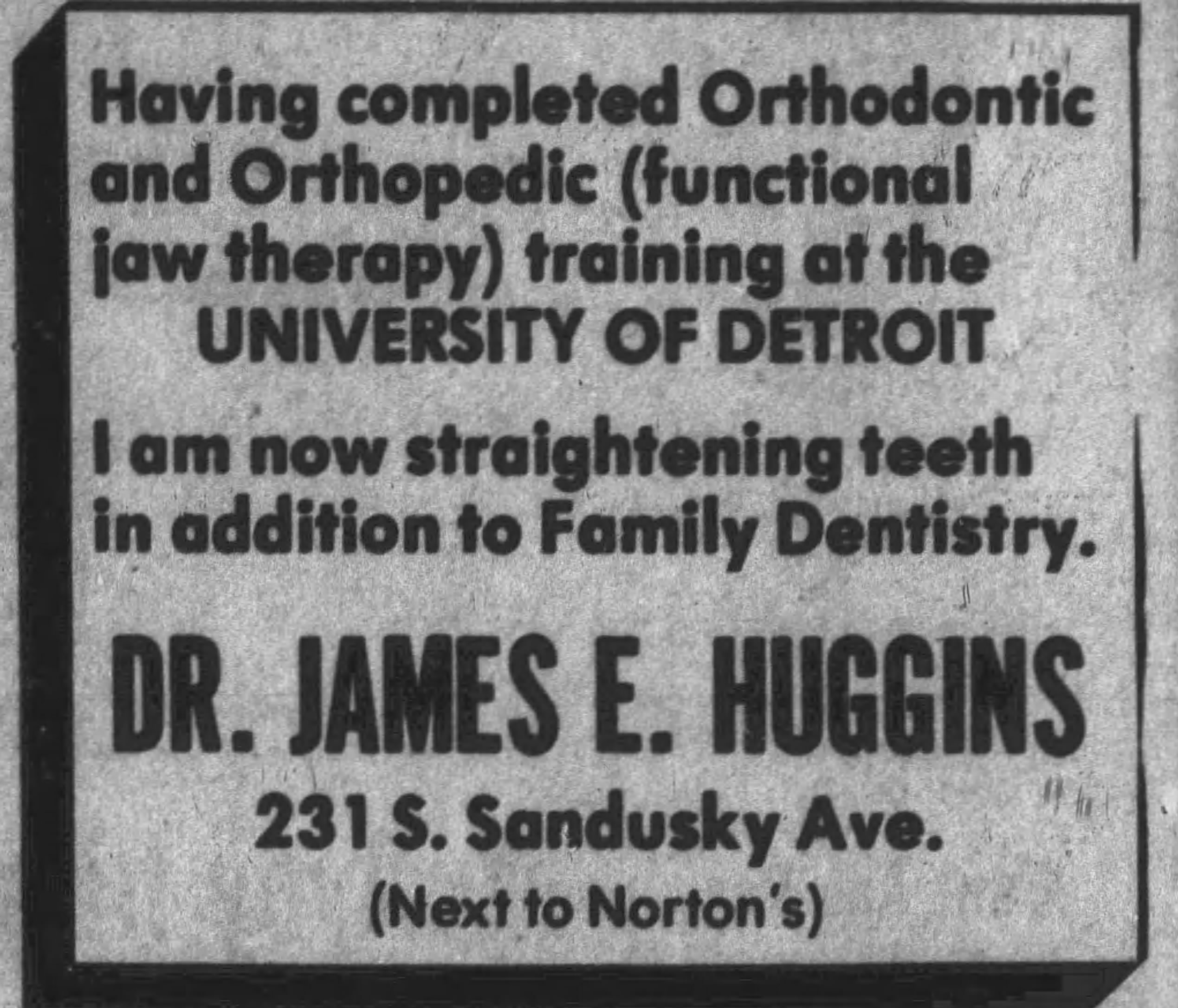
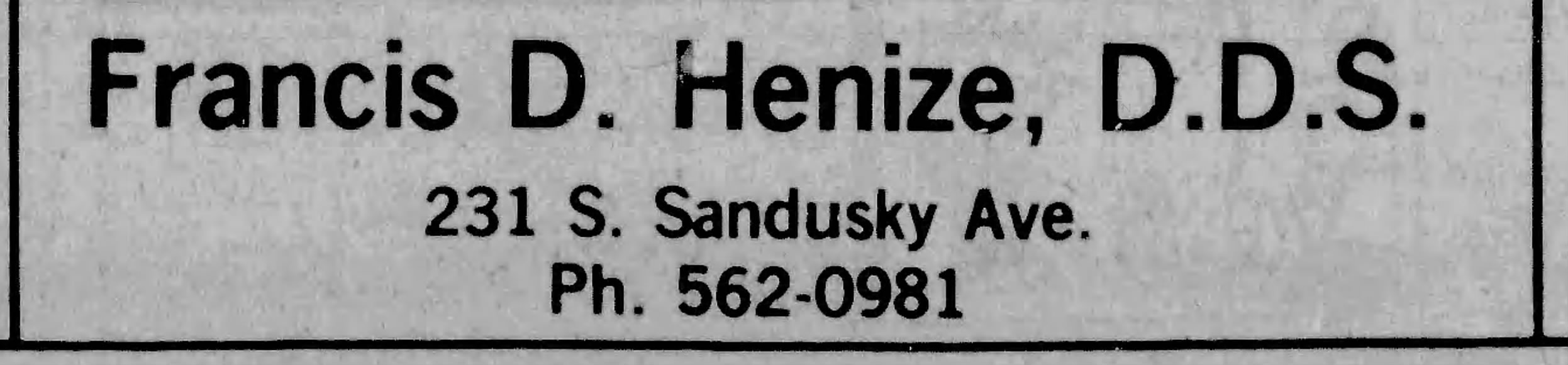
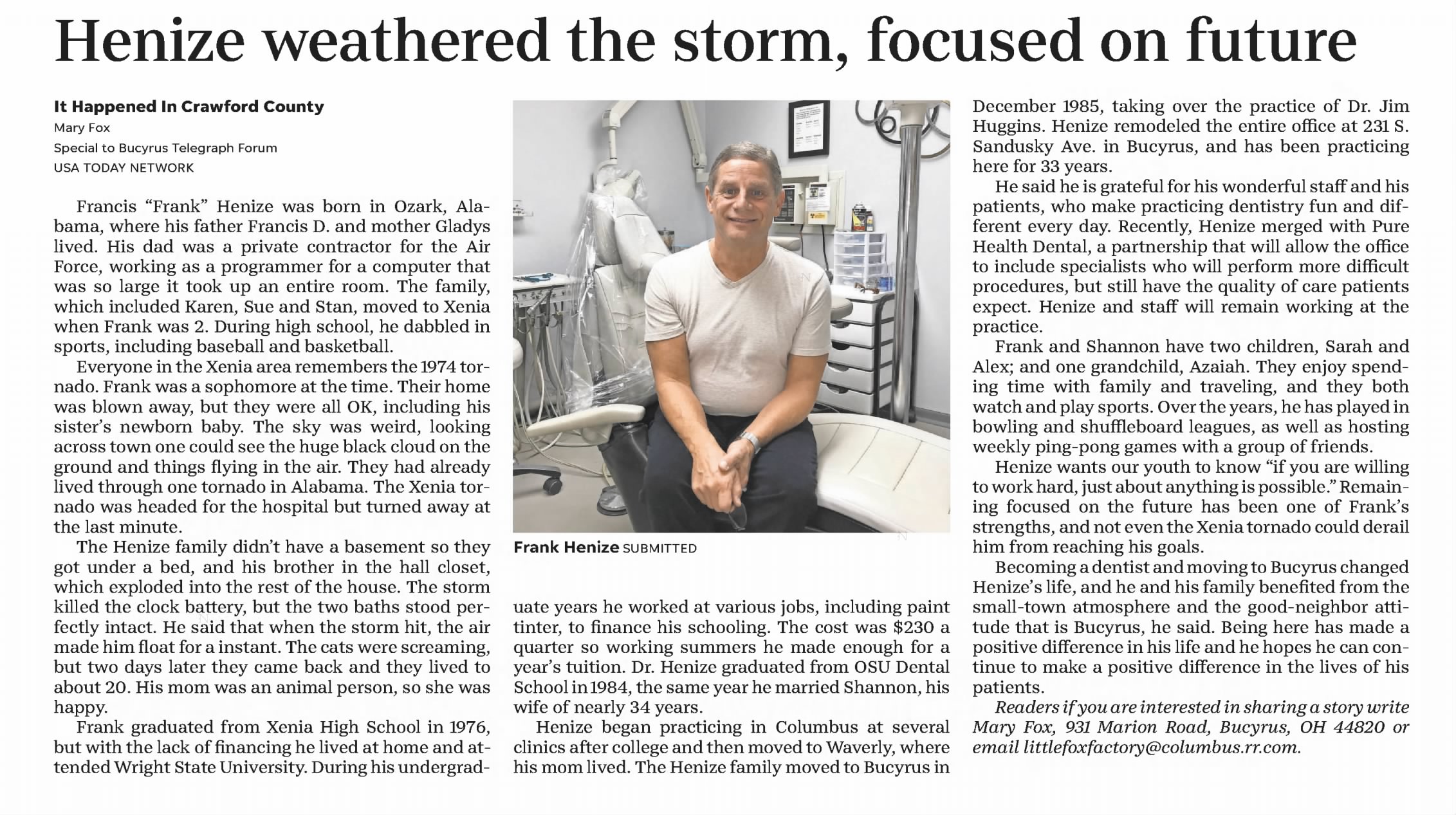
By 1980, the address was home to the dental office of Dr. James E. Huggins, who offered family dentistry and orthodontic services. In December 1985, Dr. Francis “Frank” Henize took over the practice. A 1984 graduate of The Ohio State University College of Dentistry, Henize moved to Bucyrus with his family and remodeled the office. By 2018, he had spent 33 years practicing dentistry at the location, crediting the community, his staff and his patients for making Bucyrus a place he was proud to call home.
What makes 231 S. Sandusky Avenue interesting isn’t just the number of businesses that have occupied the address. It’s how those businesses reflect the changing times. Women once gathered there for education and social activities. Families shopped for musical instruments, clothing and sewing machines. Residents sought utility services, travel assistance and hearing aids. Eventually, generations of patients visited the address for dental care.
Different businesses, different generations and different purposes, all connected by one downtown Bucyrus address.
It’s a reminder that the buildings we pass every day often have histories far richer than we realize.
That’s history worth sharing.